Designed for the trade
A barber, a plumber, and a pizzeria should not share a layout. Each site starts from how that business actually wins customers, and the design follows.
I am Maks Wittenbeck. I design and build websites for small businesses, and I do it in an unusual order: the working demo comes before the invoice, the contract, or the sales call.
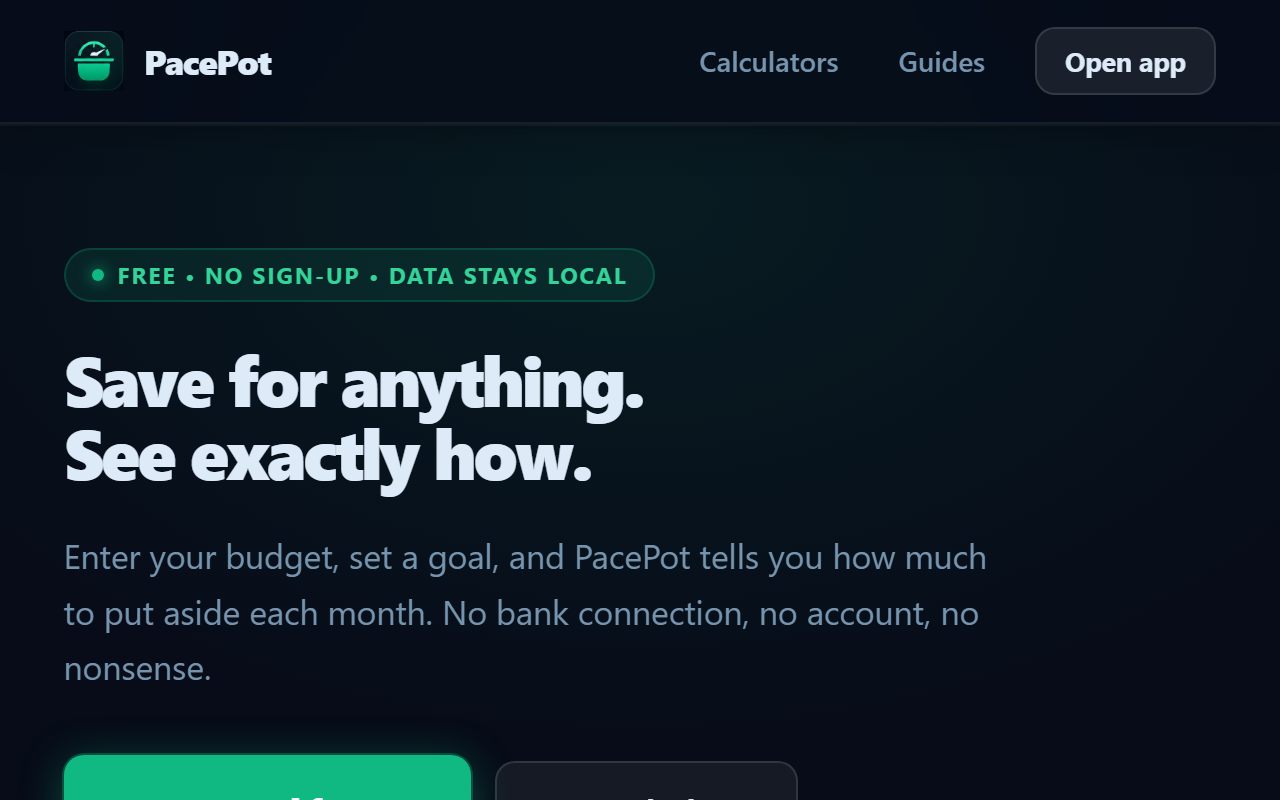
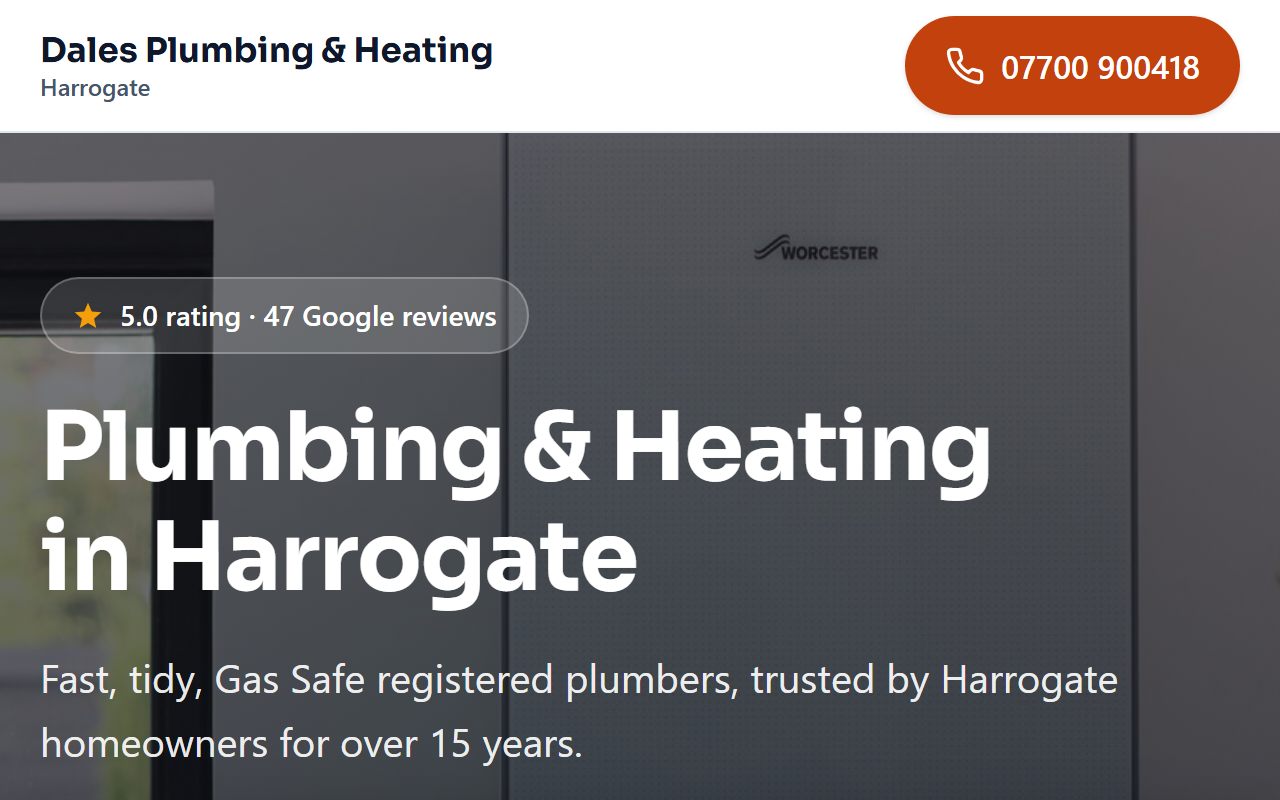
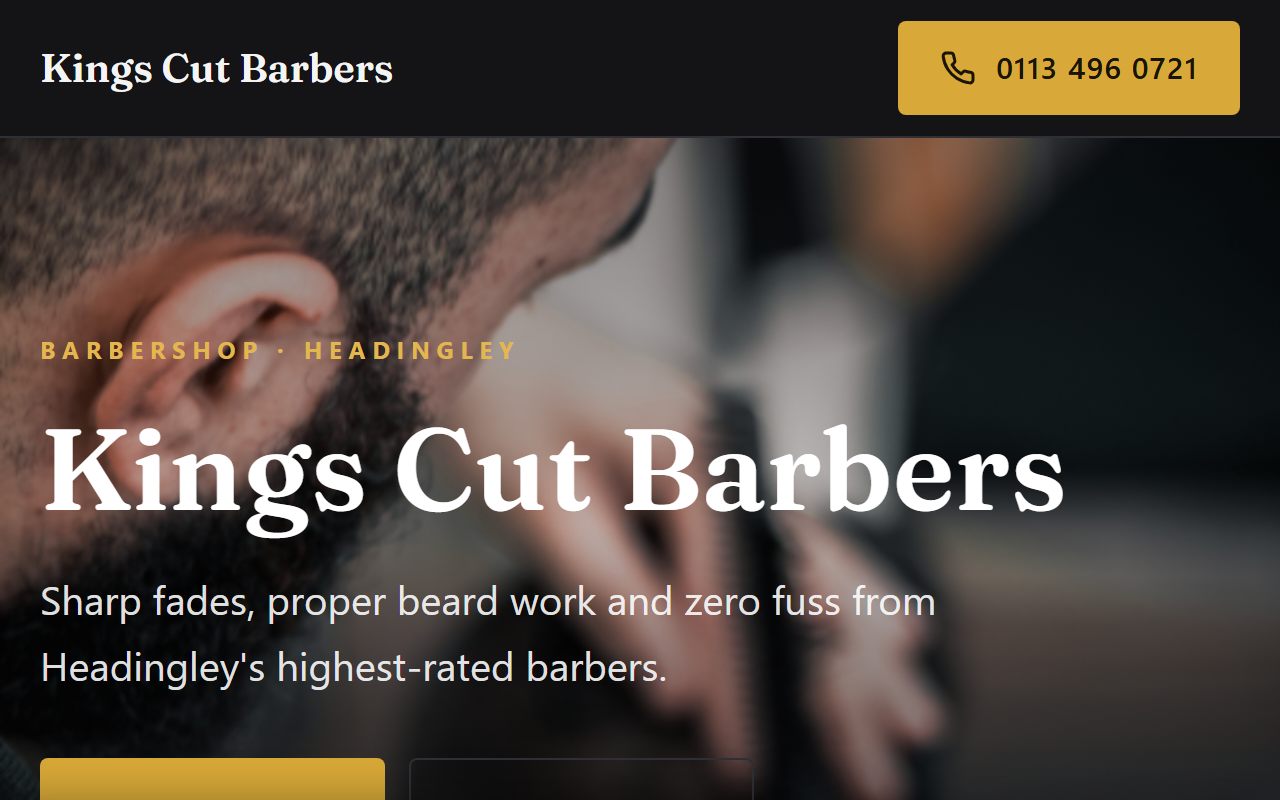
Because hiring a web designer is usually a leap of faith. You get a pitch, a price, and a wait, and only find out at the end whether you like what you paid for. I would not buy that way, so I do not sell that way.
Instead you describe the business and within days you get a link to a real, working site built around it. You scroll it on your own phone, show it to people, and decide with evidence. Every project on the work page is live for exactly that reason.
A barber, a plumber, and a pizzeria should not share a layout. Each site starts from how that business actually wins customers, and the design follows.
Customers arrive on phones, often mid-task and impatient. Every site here was designed at phone width first and expanded outward.
Lightweight pages that load quickly, and no invented claims anywhere. Trust points must be things the business can actually prove.
Send a few lines about your business and what the site should achieve. I reply within one working day with a plan for the first demo.